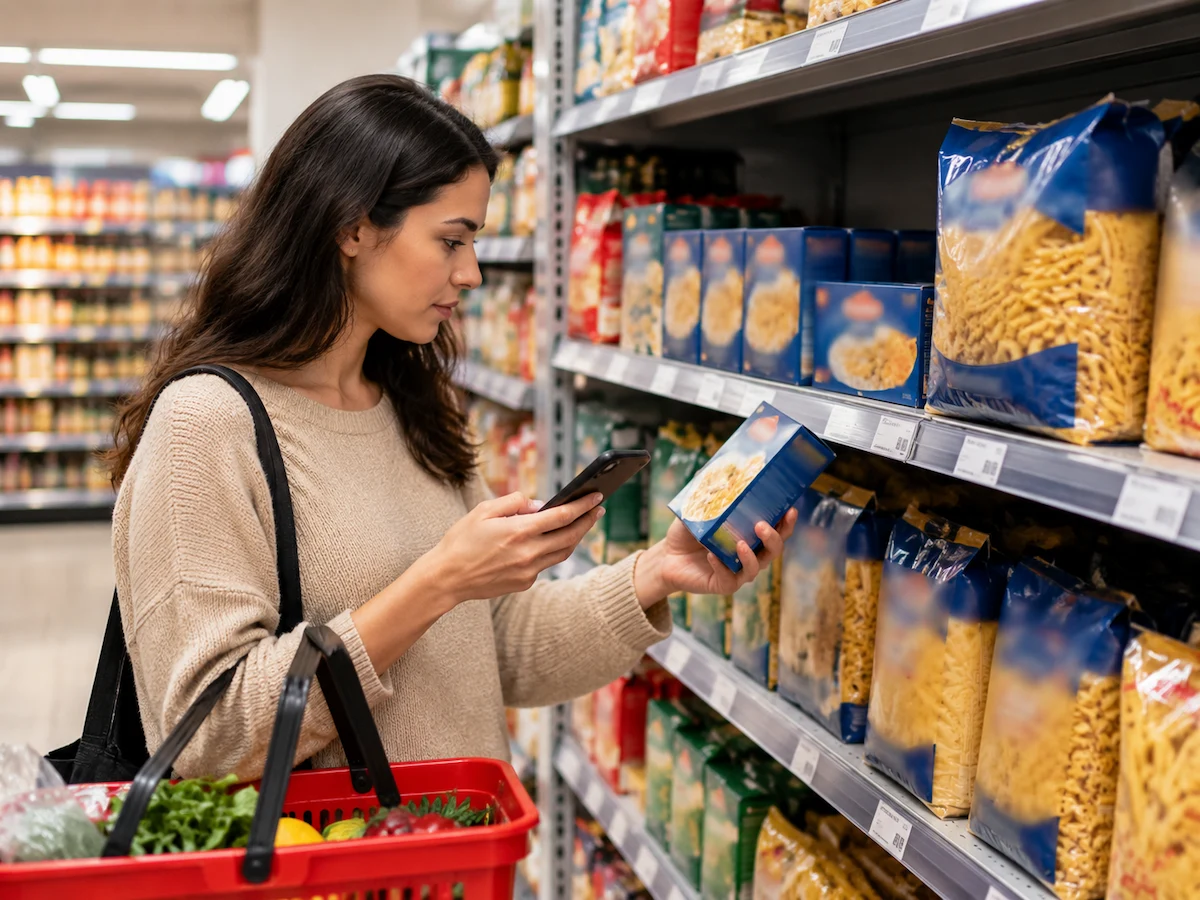
Unit pricing helps you compare deals by showing the cost of the same amount of product across different pack sizes. Grocery shelves display this small number below the main price, which shows what you pay per ounce, pound, or single item.
Generally, comparing a 12-count box against a 30-count club pack takes quick math nobody wants to do in a busy aisle. So many shoppers grab the largest box on the shelf and assume it offers the better deal, even when the price per item may be higher.
To prevent such mistakes, this guide explains how to read those labels, where the markups hide, and how to compare two stores in under a minute. Read on.
Unit Pricing Makes Confusing Package Labels Clear

Most shoppers skip the tiny label under the sticker price and end up paying more per item. In reality, unit pricing calculates the cost for a standard amount and shows what you pay per weight, sheet, or item.
Mostly, three details on that little sticker decide whether a pack deserves a spot in your cart:
- Matching Units: Stores may list milk by the quart and juice by the ounce, so convert or check the unit price before deciding which option costs less.
- Quick Math: Divide the total shelf price by the number of items, sheets, or the product weight to find the cost per unit and compare packs accurately.
- Stale Sale Tags: Shelf tags often keep old pricing information for a day or two after a promotion starts. For that reason, check that the shelf label matches the current promotion.
Simply put, those three checks take seconds, and the cheaper option usually shows itself.
Why Doesn’t the Larger Pack Always Cost Less?
The larger pack doesn’t always cost less, because manufacturers often charge more per unit for large sizes. And unit price labels make this difference easier to spot by showing the true cost of each item or measurement.
However, several states require unit price labels as a consumer protection measure, though no rule caps what a brand decides to charge.
The following three forces explain most of the surprises sitting between a small box and a jumbo one.
Bulk Sizes and Hidden Markups
Manufacturers price family sizes for convenience, so a 30-count snack box sometimes runs 8 cents higher per bar than the 12-count version.
In practice, the larger box can look like better value because of the huge package size, although each item costs more. Sometimes, the word “value” on the front of the carton does not show the actual cost comparison.
We’ve watched the same cereal swing from 19 cents to 26 cents an ounce between the small box and the jumbo one.
Store Brand Versus Name Brand Pricing
Store brands usually beat name brands on cost per unit, though the gap swings from a few cents to nearly half the price. In this case, checking the unit price helps you see if the cheaper shelf price also delivers better value per item or measurement.
But a name brand on promotion can slip underneath, which is exactly where the little shelf tag earns its keep.
Beyond these, paper goods often surprise because brands use different sheet counts and pack sizes, which makes the cost per sheet harder to judge without unit pricing.
When Sales and Coupons Change the Math
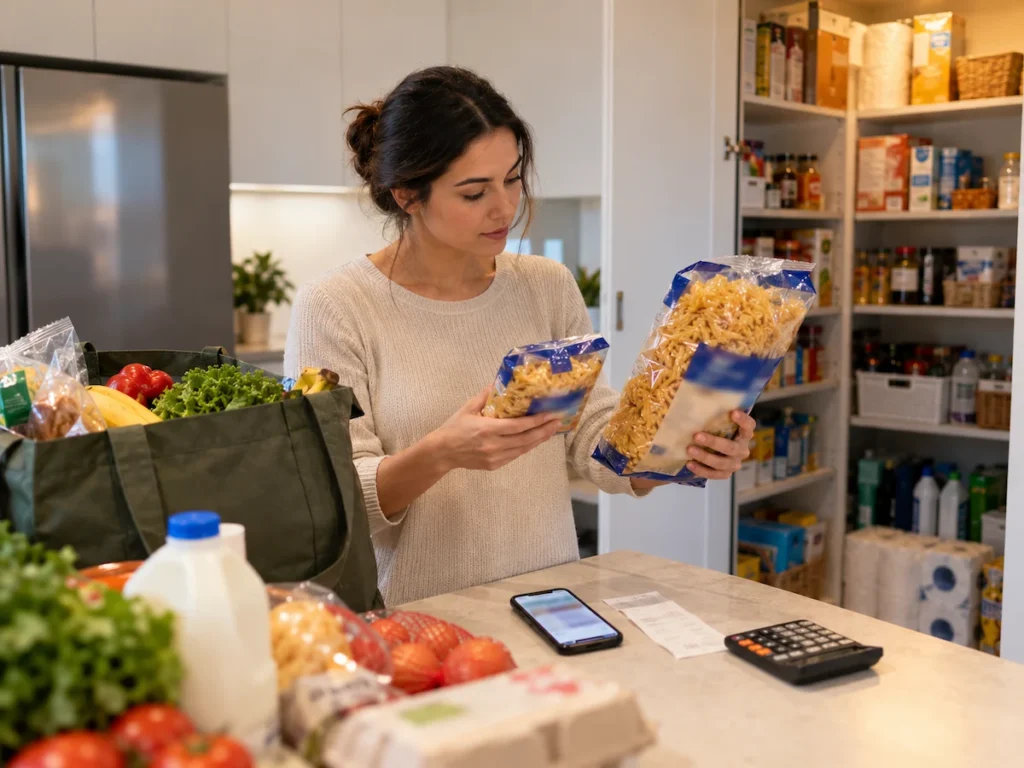
Sales and coupons can change the better-value option whenever the discount lowers the unit price below the regular pack price. For example, a dollar-off deal on a 6-pack can sometimes beat the bulk price you trusted last week.
Store app discounts can reduce the cost even further when they combine with an existing promotion. A product that looks more expensive at the shelf price may become the cheaper option after applying the sale price, digital coupon, or loyalty discount.
Quick Tip: Always check the unit price after discounts are applied, because the lowest upfront price may not be the lowest cost per item.
How to Compare Prices Across Brands and Stores
Compare prices across brands and stores by checking the unit price, pack size, and current discounts for the same product category. Most chains post the same numbers on their website, so you can compare prices before you leave home.
One common grocery run, priced across three shopping options:
| Product | Warehouse club | Supermarket | Online delivery |
|---|---|---|---|
| Olive oil, per oz | $0.31 | $0.38 | $0.42 |
| Protein bar, per bar | $1.49 | $1.75 | $1.89 |
| Laundry pods, per pod | $0.22 | $0.29 | $0.27 |
When comparing store prices, remember to include extra costs that do not appear on the shelf. This is because delivery fees, membership charges, or minimum order requirements can change the final amount you pay.
Typically, comparing two stores is often enough to spot which one offers better value for your usual shopping list.
Bulk Buying Deals: When the Larger Pack Saves Money
Once those checks feel automatic, spotting genuine bulk buying deals gets much easier. Rice, pasta, and paper towels are the clearest use cases here, since they keep for months and the cost by weight drops sharply.
Shelf life should guide how much you buy, because a discount only saves money if you use the product before it spoils. Federal estimates put food loss and waste at 30 to 40 % of the U.S. food supply. Yet a giant bag of spinach at 40 % off costs full price when half of it wilts.
Storage space counts too. A garage stacked with 36 rolls only pays off when you would buy them anyway and have room to store them. For regular purchases, a subscription can sometimes offer better value after including delivery costs, without requiring you to store large amounts at home.
After years of watching grocery prices, we lean on alerts for the products we buy every month. These usually include:
- Toilet paper
- Laundry detergent
- Coffee
- Cereal
- Cleaning supplies
- Pet food
For these regular purchases, price alerts help monitor discounts across different stores and notify you when costs drop. In this case, free trackers and social media price-drop posts can handle that checking, so you spend less time comparing every aisle manually.
Start Comparing Unit Prices on Your Next Shopping Trip
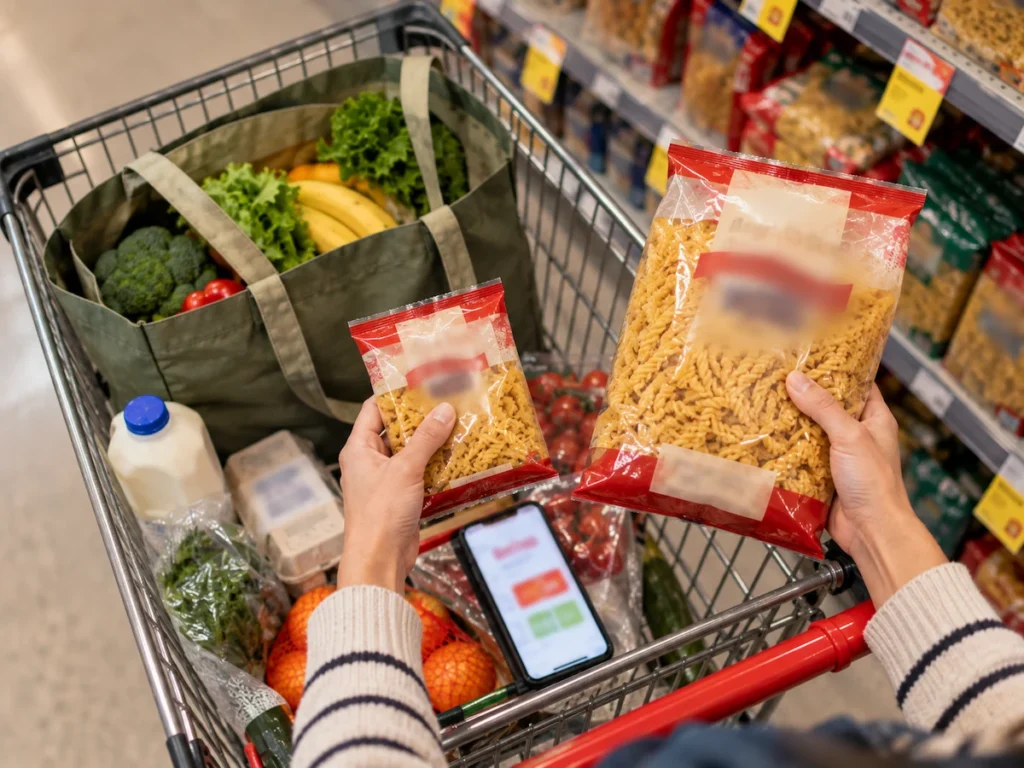
Unit pricing gives you one number that settles the comparison in a couple of seconds at the shelf. The lowest cost per ounce can reveal a better deal than choosing the largest package size alone.
Pick three products you buy every week and compare them on your next trip. You will see the pattern right away, and the habit also sticks after a single visit.
Ready to cut your grocery bill without clipping a single coupon? Follow Unsubscribe Deals for daily price drops and bulk buying deals worth the space in your cart.