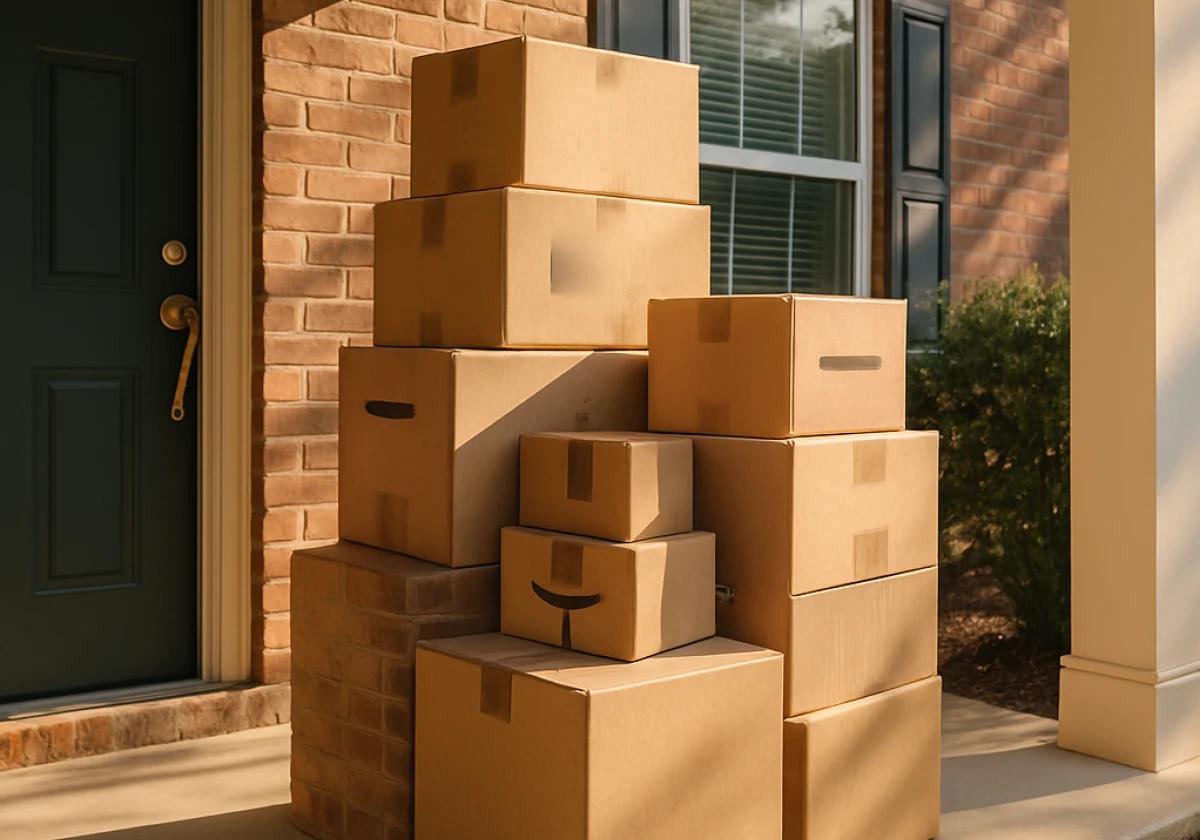
Retailers offer exclusive online promotions to win shoppers, clear slow stock, and learn what people buy. Every code you type at checkout gives the retailer something in return.
Most people treat a discount as free money without considering what the retailer gains. A store runs the numbers long before the banner goes live. Sites like Unsubscribe Deals exist to help attentive shoppers get a fair share of that value.
This guide breaks down what each of the main types of promotions earns the retailer. It also shows how much each offer could save you at checkout. Read it before your next order.
Exclusive Online Promotions: What Retailers Get Back From Every Discount
Retailers may accept lower profits on individual orders to attract customers, clear stock, or encourage future purchases. They use these promotions for three main reasons:
Customer Acquisition Without Buying More Ads
Paid ads cost money on every click. Unlike paid clicks, a discount reduces the retailer’s revenue when a customer redeems it. That’s why stores hand exclusive codes to deal sites and social accounts instead of raising their ad budget. The arrangement benefits a store that pays only after a sale.
We’ve watched small brands drive sales this way faster than any paid campaign ever moved them.
Clearing Slow Stock With Seasonal Promotions
Unsold products cost money in storage every month they sit. Selling them at 40% off may cost less than storing them for another three months. That’s why retailers often discount winter coats near the end of winter to clear space for spring collections.
Quick Tip: Check the clearance page for reduced prices on older or seasonal stock.
What Does a Coupon Code Reveal About Shopping Trends?
Your coupon code tells the store which offer moved you, where you came from, and what you added alongside the sale item. Retailers feed that data into personalized promotions and wider shopping trends, so the next email you open reflects whatever you clicked last time.
If you save online coupons for later, the Privacy Policy is worth a skim first, since tracking depth varies a lot between stores.
Why Does Free Shipping Beat a Straight Price Cut?
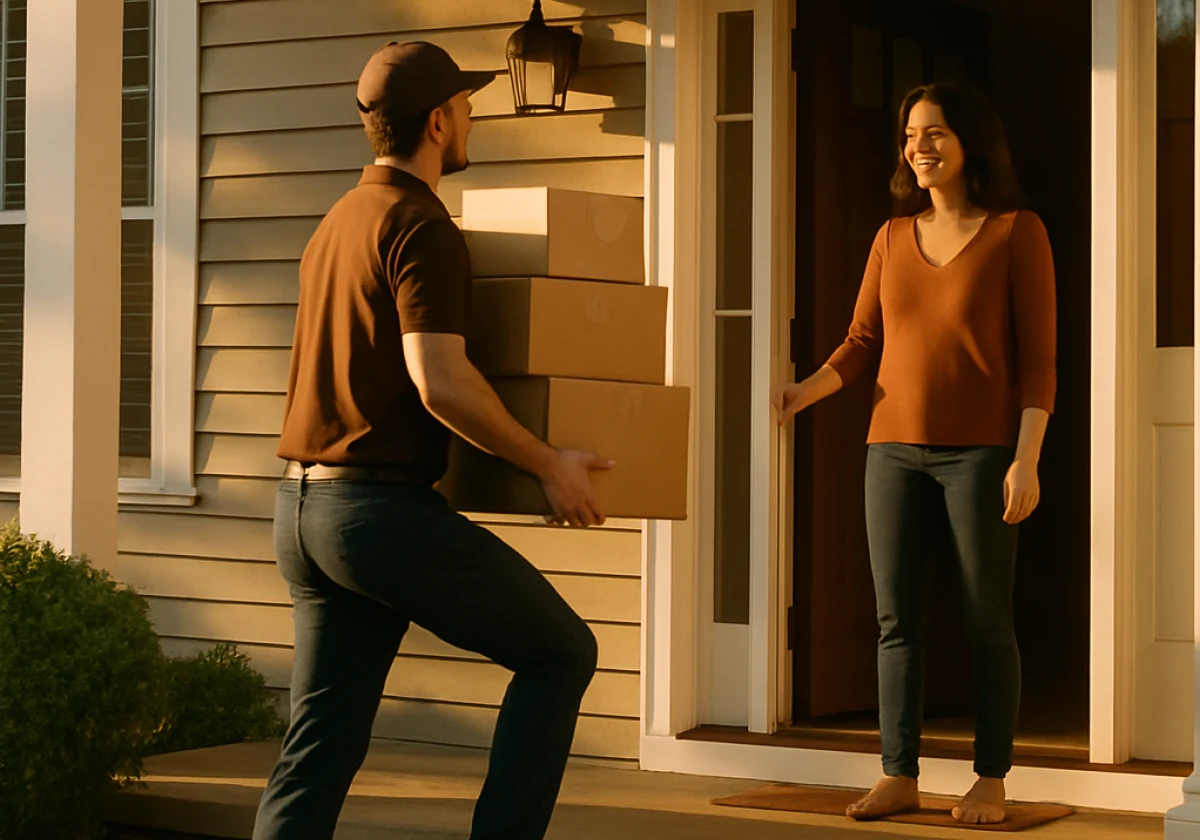
Free shipping can beat a straight price cut because shoppers often react more strongly to delivery fees than small discounts. A $7 delivery charge may discourage someone from buying, even when a $60 jacket comes with $7 off.
Delivery costs can also lead shoppers to abandon their carts. According to Baymard Institute, 40% of surveyed US shoppers cited high extra costs, including shipping and taxes, as a reason for abandoning checkout.
With delivery costs influencing checkout decisions, Amazon Prime offers free shipping on eligible orders through its paid membership. Other retailers offer the same benefit once an order reaches a minimum spend. These thresholds also encourage shoppers to spend more. For example, someone with a $42 cart might add another item to qualify for free shipping on orders over $50.
However, adding products doesn’t always mean saving money. You should compare the delivery fee with the cost of reaching the free shipping threshold. If the extra item costs less than delivery, you may get another product without spending more overall.
Sales Promotions and Gift Offers Run on Timing

Once the delivery math is settled, timing becomes the next lever. Timed sales give shoppers a limited window to claim a discount or promotional gift. Stores build these offers around a clock, so urgency does the selling for them.
Take a closer look at three timing tactics behind the promotional offers that keep landing in your inbox.
- Flash Sales: Short sale windows encourage immediate purchases and can help retailers clear selected products during busy shopping periods
- Gift With Purchase: Spend $75 on skincare and receive a free cleanser. Offers like these encourage larger orders without reducing the main product’s price. Retailers can also introduce shoppers to products they haven’t tried before.
- Loyalty Program Early Access: Before a public sale begins, members may get first access to discounted stock. They can choose from more sizes and colours, while retailers encourage repeat purchases by rewarding regular customers.
Gift promotions may also offer extra value when you already need the main product. Before buying, compare the final price and check whether the offer suits your needs.
Timing counts more than headline size here, so set alerts for the brands you buy most. For the same product, a 30% discount saves more than a 15% offer if the original price stays unchanged.
Comparing Ecommerce Offers Before You Add to Cart
Now that the timing is clear, you can weigh ecommerce offers side by side. Cart size usually decides the better choice rather than the headline number.
Run your cart through this quick comparison before you commit.
| Promotion type | What you save | Best use |
|---|---|---|
| Percentage discounts | 10% to 40% off the listed price | Big-ticket products over $100 |
| Free shipping thresholds | $6 to $12 in delivery costs | Carts already close to the limit |
| Coupons and promo codes | A fixed amount, often $5 to $20 | Small orders where percentages do little |
| Bundles | 15% to 25% across grouped items | Products you’d buy twice anyway |
The right offer depends on your cart total and what you plan to buy. A percentage discount may save more on expensive items, while a fixed coupon can work well for smaller orders.
Percentages reward expensive carts while flat coupons reward cheap ones, and that split trips up plenty of regular shoppers. One quick subtraction shows which promotion is genuinely stronger.
Shopping Smarter With Retailer Discounts
Every promotion you accept pays the retailer back in traffic, data, or cleared stock. That trade stays fair when you know it’s happening.
A clear idea of the motive helps you choose offers that deserve your time. Compare the real savings against what you planned to spend anyway, then skip whatever fails that test. Set alerts for the brands you already buy from instead of chasing every sale.
Ready to stop paying full price? Follow Unsubscribe Deals for exclusive codes and retailer discounts gathered in one place.