
Flash sales and seasonal sales both promise big discounts, but they work in completely different ways. Flash gives you a four-hour window to decide, and seasonal sales give you weeks to plan.
If you’ve ever scrambled to grab a deal before a timer ran out, you know how different that feels compared to shopping at a Memorial Day sale with a list in hand. Both can save you good money on online purchases, but only when you know what you’re walking into.
This article breaks down flash sales and seasonal sales in a clear, simple way. You’ll learn how each one works, what usually goes on sale, and when to shop. By the end, you’ll know which sales type fits your buying habits and how to make better decisions.
Flash Sales vs Seasonal Sales: What’s the Difference?
Flash sales and seasonal sales differ in two ways: timing and pressure.
A flash sale usually runs for anywhere between two hours to a day, with online retailers dropping prices on limited inventory to move stock. Seasonal sales, however, follow a predictable yearly calendar instead, tied to holidays like Memorial Day or Labor Day.
However, the difference between the two discounts is how much time you get to think before you purchase. Flash sales push you to decide in minutes, while seasonal sales give you days to compare prices and shop with a clear head.
To see how this affects your buying decisions, let’s look at a couple of shopping situations.
Why Flash Sales Feel So Urgent (And What It Costs You)
Flash sales feel intense because they’re designed to limit both time and availability. You’re seeing a countdown, low-stock alerts, and “only a few left” messages all at once. Retailers design flash sales around urgency, and it works on most customers more often.
This pressure often leads to quick decisions instead of smart ones. You might skip even comparing prices, ignore if the item is necessary, or spend more just to avoid missing out. In many cases, the deal feels urgent, but the purchase isn’t.
Prime Day and Amazon Prime Day: The Biggest Flash Sale of the Year
The best part about Prime Day is that Prime members can shop millions of deals across more than 35 categories. Amazon Prime Day runs every July and has grown into one of the major online sale events of the year.
Here’s what usually gets the best discounts during those two days:
- Electronics and laptops, sometimes half of the price below regular store prices
- Smart speakers and small kitchen appliances are often at their lowest prices of the year
- Sporting goods and fitness equipment, with select items clearing out at big discounts
We’ve seen that most popular deals sell out within thirty minutes. So it helps to check deals early and make a short list before the sale starts. Going in unprepared often leads to overspending or missing what you wanted.
Are Flash Sales Worth the Rush?
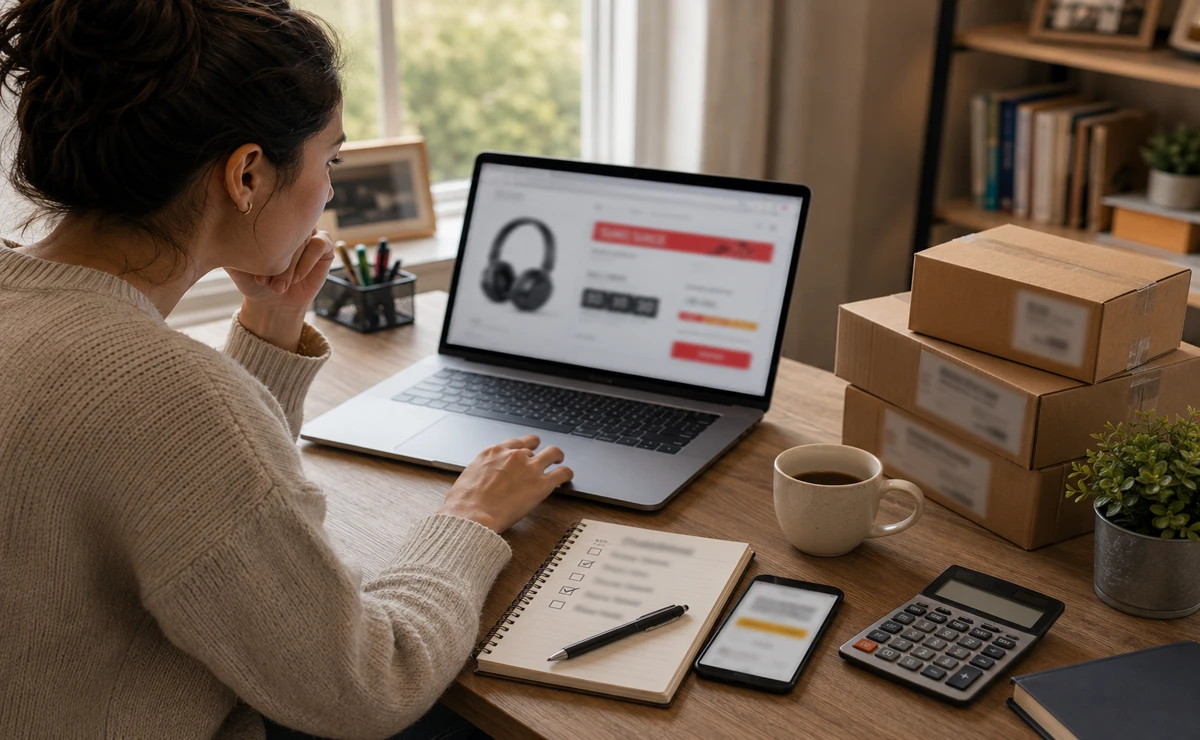
Flash sales deliver value only when the item is on your shopping list. After all, a 60% discount on something you never needed is still $40 you didn’t plan to spend.
Stacking promo codes on top of a flash sale price is one way to strain your savings further. A valid promo code can take an extra percentage off, reduce the total cost, or even unlock free shipping. It also gives you more control in a speedy sale and helps you secure a better deal.
Either way, when you understand what drives that urgency, you stay in control. Retailers use countdown timers, low-stock alerts, and “ending soon” messages to push quick decisions. It taps into fear of missing out, but once you recognize it, you can pause and decide if the purchase is worth it.
Seasonal Discounts: The Best Time to Buy on a Budget

If you’ve ever missed a sale and paid full price the following week, seasonal sales are your answer. They follow a set schedule, so you can plan without rushing, unlike flash sales.
In fact, seasonal sales often bring prices down to nearly half across whole product categories, with seasonal campaigns accounting for 27% of annual retail sales worldwide and projected to rise to 29.3% in 2026.
Let’s look at some of the most reliable sales windows of the entire year.
Memorial Day Sales and Labor Day: What Goes on Sale and When
Memorial Day and Labor Day are two of the most consistent sales windows of the year. Most retailers use these holidays to clear out seasonal inventory, which means the savings go deeper than your average weekend promotion.
Let’s check the breakdown of what typically goes on sale during each:
- Memorial Day Sales: You’ll usually find furniture, mattresses, and appliances discounted by around 20% to 40%. It’s also a strong time for outdoor and patio furniture as retailers roll out summer inventory.
- Labor Day Clearance: Summer clothes and spring clothing hit their lowest prices of the season. Grills, lawn mowers, and outdoor power equipment follow a similar pattern as stores clear floor space for fall inventory.
- Back-to-School Overlap: It blends into late summer deals. This is when office supplies and school essentials go on sale, often at some of the lowest prices of the year, which get pulled into the same promotions.
Remember, many retailers extend these sales across a full week, so you don’t always have to rush.
Outdoor Gear and Vacuum Cleaners: Categories That Deliver Real Seasonal Value
If you’ve ever bought a tent or vacuum at full price, you probably paid more. Certain product categories follow very predictable discount cycles, and knowing them saves you a decent amount of cash.
Take a look at some of the best categories to shop by season:
- Outdoor Gear and Sporting Goods: Prices drop sharply in August and September as stores move on from summer stock. Workout gear and fitness equipment often follow the same cycle.
- Vacuum Cleaners and Air Purifiers: These usually see their best deals during major sale events like Black Friday, when retailers offer some of the lowest prices of the year.
- Power Tools and Air Fryers: These tend to see their best deals during holiday sale windows, with some air fryers and coffee makers dropping to near clearance pricing.
Once you know which categories drop during which windows, you stop guessing and start planning.
Which Type of Sale Has Better Online Deals?
Now that both sale types are on the table, it’s about which one offers the better price. Honestly, the answer shifts depending on what you’re shopping for, so here’s a side-by-side look at how the flash and seasonal sales compare on common categories:
|
Category |
Best Sale Type |
Typical Discount |
|---|---|---|
|
Electronics and laptops |
Flash sales (Prime Day) |
20% to 40% off |
|
Furniture and patio furniture |
Seasonal (Memorial Day) |
20% to 35% off |
|
Outdoor gear and sporting goods |
Seasonal (end of summer) |
25% to 45% off |
|
Vacuum cleaners and air purifiers |
Seasonal (Black Friday) |
30% to 45% off |
|
Toys and school supplies |
Seasonal (back to school) |
15% to 30% off |
|
Small appliances and air fryers |
Flash sales and holiday deals |
20% to 40% off |
For most categories, seasonal sales win on consistency. Flash sales often have the advantage on electronics and small appliances when retailers need to move inventory between product cycles.
Seasonal and flash sales together maximise your chance of discounts, while deal aggregation sites change shopping habits by centralising offers.
Shopping Discounts Worth Chasing vs. Ones to Skip

Some sales look better, and that’s by design. Many retailers inflate the original price before a sale to make the markdown look more impressive. A good rule of thumb is to track a product’s price history for at least 30 days before you commit to a purchase.
A discount worth chasing is one on a product you researched two to three weeks in advance. Skip any sale where the listed price looks higher than what the same item sold for last month across other online stores.
Stacking promo codes on top of a sale price is one of the most dependable ways to pull the biggest savings out of any promotion. At Unsubscribe Deals, we’ve seen this approach save shoppers anywhere from 10% to 25% on top of the advertised deal. It often brings extra savings on categories like furniture, small appliances, and other products.
So, Which Sale Should You Shop?
Flash sales are worth the effort when you go in with a plan. Meanwhile, seasonal sales are your best option when you have time to research and compare prices across multiple holiday windows.
The best move is to track both. Amazon Prime Day, Back-to-school, Black Friday, and so on, each brings up its own wave of deals through different product categories. And with sale seasons coming around every few months, there’s always another window worth planning for.
At Unsubscribe Deals, we track flash and seasonal sales on hundreds of online retailers every week, so you don’t have to do it alone. Browse our latest deals, stack your promo codes, and save more on every purchase you plan for next year.