
Online deals disappear quickly when retailers use scarcity to clear out inventory, while other offers stay available by design. And the retailer’s stock limit and promotion end date determine how long you have to buy at the advertised price.
Most shoppers feel the difference at checkout, when a cart empties and the old number returns. Our team at Unsubscribe Deals tracks how long discounts remain available, as some limited-time offers end within hours while others run all season.
This guide explains the stock rules behind flash sales, the planning behind start dates, and the signals that mark an early buy. You’ll also see which products keep discounts long after the countdown ends.
Start with stock levels to see why some deals sell out within hours.
Why Do Limited Time Deals Sell Out in Hours?
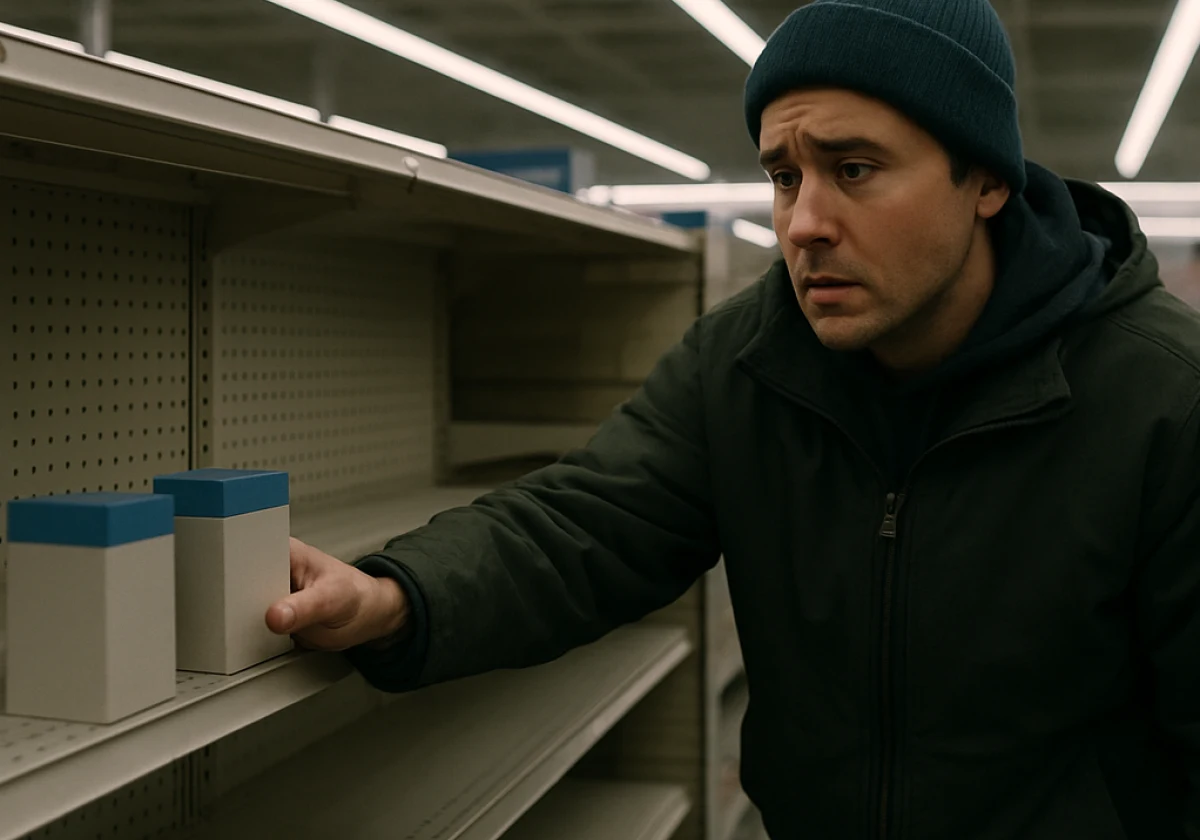
Flash deals sell out in hours because retailers limit stock on purpose, which builds a sense of urgency and moves inventory quickly. With only a few units available, shoppers may rush to buy before comparing the sale price with other retailers.
Three forces drive that speed, and each one shows up plainly once you know what to look for.
Scarcity and the Fear of Missing Out
A low stock count can make you feel you have little time to compare prices or think about the purchase. When a retailer displays “only three left,” you may worry another shopper will buy the item before you decide.
That pressure feeds the fear of missing out, which pushes customers to act before they compare anything elsewhere. We’ve seen a popular size empty out before the deal alert even reached inboxes (careful shoppers lose the sale on timing, not on budget).
As a result, you get a sale driven by stock levels rather than by the size of the discount. In other words, the limited number does most of the persuading.
Clearing Out Inventory Before New Releases Arrive
Retailers may run flash sales to clear older stock before a new product launch. It’s because unsold goods occupy warehouse space and tie up money the business could use for incoming products.
To make room before launch day, a store may offer a deep discount for a short period. You’ll often see these clearance offers on electronics before model updates and clothing near the end of a season.
However, if you’re considering an older product, check its price history and compare its features with the upcoming version. A later holiday sale won’t guarantee the same discount or stock availability.
Countdown Timers Designed to Attract Quick Purchases
A countdown timer, designed to attract quick purchases, puts a visible deadline right next to the price. As a result, you watch the hours fall, and the choice feels urgent even when stock isn’t low.
Many sites pair the countdown timer with a live count of people viewing the item. The deadline suggests limited time, while the viewer count suggests competition for stock. Together, they encourage customers to complete the purchase rather than leave the tab open.
Retailers have a reason to focus on checkout completion. For instance, Baymard puts average cart abandonment at roughly 70%. However, that figure alone doesn’t show that urgency prompts persuade shoppers to pay.
The thing is, timers rarely lie about the end time, as the terms and conditions carry the real limits. Reading those few lines takes a minute and saves an argument at the returns desk.
Limited-Time Offers Follow a Retail Strategy, Not Luck

Honestly, retailers planned the midnight sale you missed months before the deal went live. Retail teams build promotional calendars around supplier contracts, shipping windows, and the weeks when demand climbs on its own.
During that planning, retailers calculate how much they can reduce prices while covering costs and retaining a profit. Each promotion carries a known margin, so a limited offer still earns money at the lower price.
If you’ve ever set an alarm for a midnight drop, you’ve met that calendar firsthand. Black Friday, back-to-school, and other seasonal sales repeat in the same weeks every year (exact dates shift slightly from one year to the next).
Short e-commerce promotions also let brands introduce new products and test demand before a wider rollout. When a bundle sells out quickly, the brand repeats it, and when it stalls, the price drops again later.
After years of sorting through these deals for readers, we keep seeing one pattern hold. When a discount returns every few weeks, you may have another chance to buy at that price. Meanwhile, a one-off offer needs closer checking: compare prices and confirm you need the product before buying.
Spotting the Online Offers Worth Grabbing Early

Shoppers who track prices and shop early catch the best savings before popular items sell out. From what we see across the online offers we sort each week, the deepest cuts often land before the headline event even starts.
A few habits separate a strategic early buy from a rushed one.
- Price Tracking History: Checking a price tracking tool shows whether today’s figure beats the last three months. For context, prices often climb just before a sale, which makes the cut look larger than it is. An AI shopping assistant can flag that same history without the manual search.
- Stock Counts Over Timers: A countdown tells you when the offer ends, but stock availability shows if your size or preferred model remains available. If only a few units remain, look for restock details before assuming you can buy later at the same price.
- Early Access For Members: Loyalty members often see deals live hours before the public page updates. Signing up may be free, but read the privacy policy to see how the retailer uses your personal details. For further advice, the FTC’s online shopping guide explains what to consider before sharing information with a seller.
Together, these checks help you review the price and availability before checkout. If your cart has ever emptied while you hunted for a coupon code, you’ll want the price history open before the stock count decides for you.
Savings That Stick Around: E-commerce Promotions Built to Last
Now that you can spot short-lived deals, let’s look at the offers built to last. Some e-commerce promotions offer ongoing savings through subscription discounts, loyalty rewards, or bundles. These give you time to compare the total cost without a short-sale deadline.
The table below sorts common categories by how long their discounts usually hold.
| Category | How Long Discounts Hold | Why |
|---|---|---|
| Fashion basics | Weeks to a full season | Deep stock and repeat production runs |
| Electronics | Hours to days | Tied to new releases and limited units |
| Beauty and grooming | Ongoing with subscriptions | Refills reward repeat customers |
| Software and trial offers | Months at a time | Low unit cost, signup-driven |
The steady categories give you a fallback when a flash sale passes you by (gadgets restock far less often than a basic cotton tee). So save your quick decisions for the products that genuinely won’t return.
Shop Smart Before the Countdown Ends
Limited-time deals move quickly because retailers plan them that way, and the short window is the whole point. Once you know which offers repeat, that pressure loses most of its grip.
Check the price history before you buy, and watch the stock count rather than the clock. Do that consistently, and you’ll save money without worrying that you’ll miss out.
Ready to shop with a clearer head? Check Unsubscribe Deals for current offers and straight guidance on which ones are worth your time.