
You can spot real online discounts by checking price history, comparing retailers, and reading the fine print before you buy. Those three habits take two minutes each, but they catch most markups hiding behind a bright red tag.
Most shoppers skip that check, so they pay close to full price while believing they save on every order. At Unsubscribe Deals, we track how often a sale banner covers a number that quietly climbed the week before. We cover how to read a discount, which tools track prices, and where the best deals sit.
Fake Online Discounts Hide Behind Almost Every Sale Banner
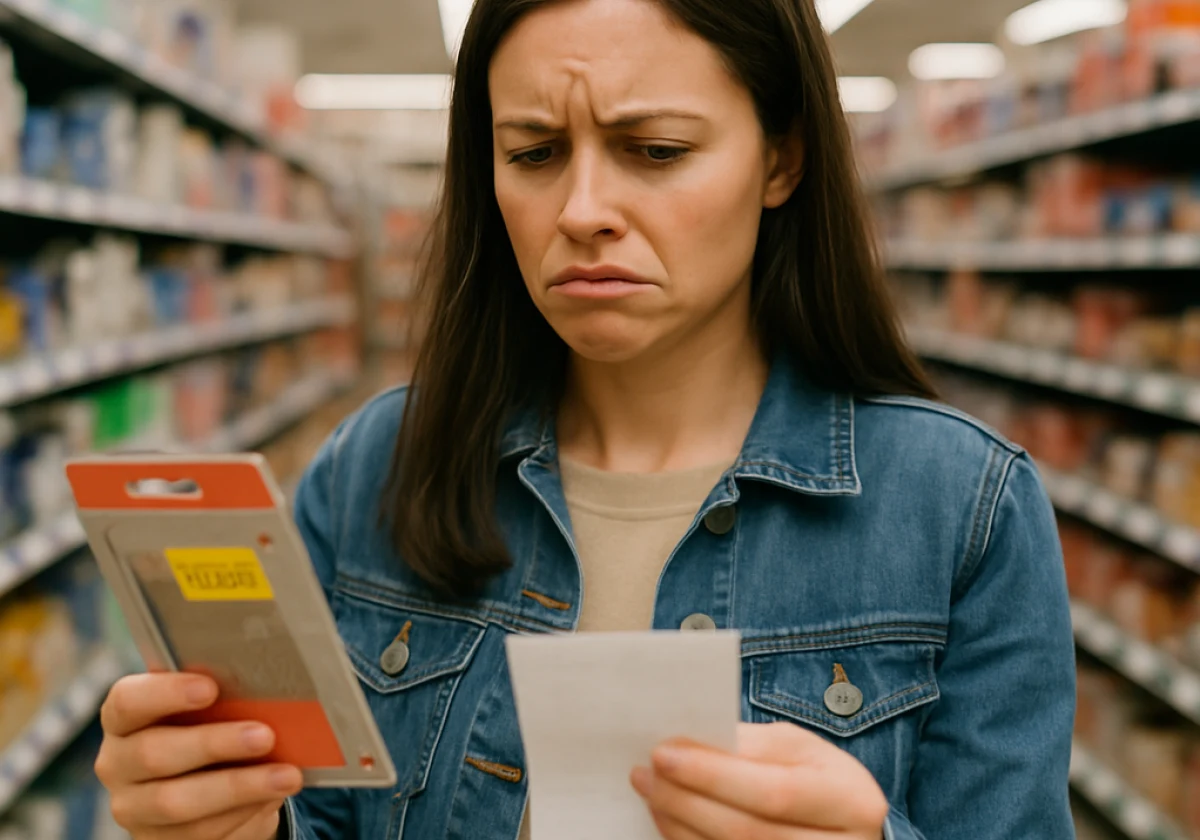
That 70% off tag often hides a price the store quietly raised a few weeks earlier. Retailers know a big number pulls clicks, so the math behind the tag deserves more attention than the tag itself.
Three setups explain why so many discounts shrink the second you look past the banner.
Inflated Prices Before the Sale Even Starts
Some stores raise a product’s price for a few weeks, then lower it and advertise the drop as a sale. Amazon price history can reveal this pattern by showing how long the original price actually lasted.
These price changes can make a discount look much larger than it is, and the FTC’s advertising guidelines address misleading claims about former prices. In our own tracking, prices often rise by 15% to 30% in the weeks before a sale. That increase wipes out most of the advertised savings.
Countdown Timers and Other Urgency Tricks
Countdown timers on product pages create pressure to buy before you have time to compare prices. However, some timers reset overnight, which makes the deal seem more urgent than it really is. Some websites also display low-stock warnings that stay the same even as people place orders.
These tactics can become even more tempting during major sales events, when daily deals and countdown clocks encourage quick purchases. Also, you can check if a timer is genuine by opening the page in a private browser window. If the countdown resets when you reload, the deadline is artificial.
For low-stock warnings, add the item to your cart and check back the next day. If the warning still shows the same number, the count is decorative.
Why a Big Percentage Off Can Still Mean a Bad Price
A jacket advertised at 60% off could still cost more than the same jacket at full price from another retailer. Compare the final dollar amount across two or three stores before buying. The lowest checkout price beats the biggest percentage every time.
That’s why it’s worth comparing the final prices across two or three stores before buying. The lowest price may offer a better deal than the biggest advertised discount.
Which Tools Help You Find Genuine Deals on Amazon and Other Stores?

Price trackers like CamelCamelCamel and coupon browser extensions help you find discounts on Amazon and other stores. The right tool depends on the question you need answered about a price.
This short comparison sorts the main options by the job each one handles best:
| Tool | What it does | Best for |
|---|---|---|
| CamelCamelCamel | Charts Amazon price history and emails you drop alerts | Testing whether a sale is real |
| Capital One Shopping | Free browser extension that tests codes at checkout | Automatic code hunting |
| Rakuten | Pays you back after you shop through its link or mobile app | Earning money back on orders |
| Slickdeals | Posts community-checked offers and free delivery finds daily | Spotting live offers early |
Each tool helps you save in a different way, so combining them can be useful. Start with CamelCamelCamel on any product you are considering. If the price history confirms the discount is real, layer a coupon extension and a cashback portal before checkout.
Coupons and Promo Codes: Finding the Discount Offers That Work
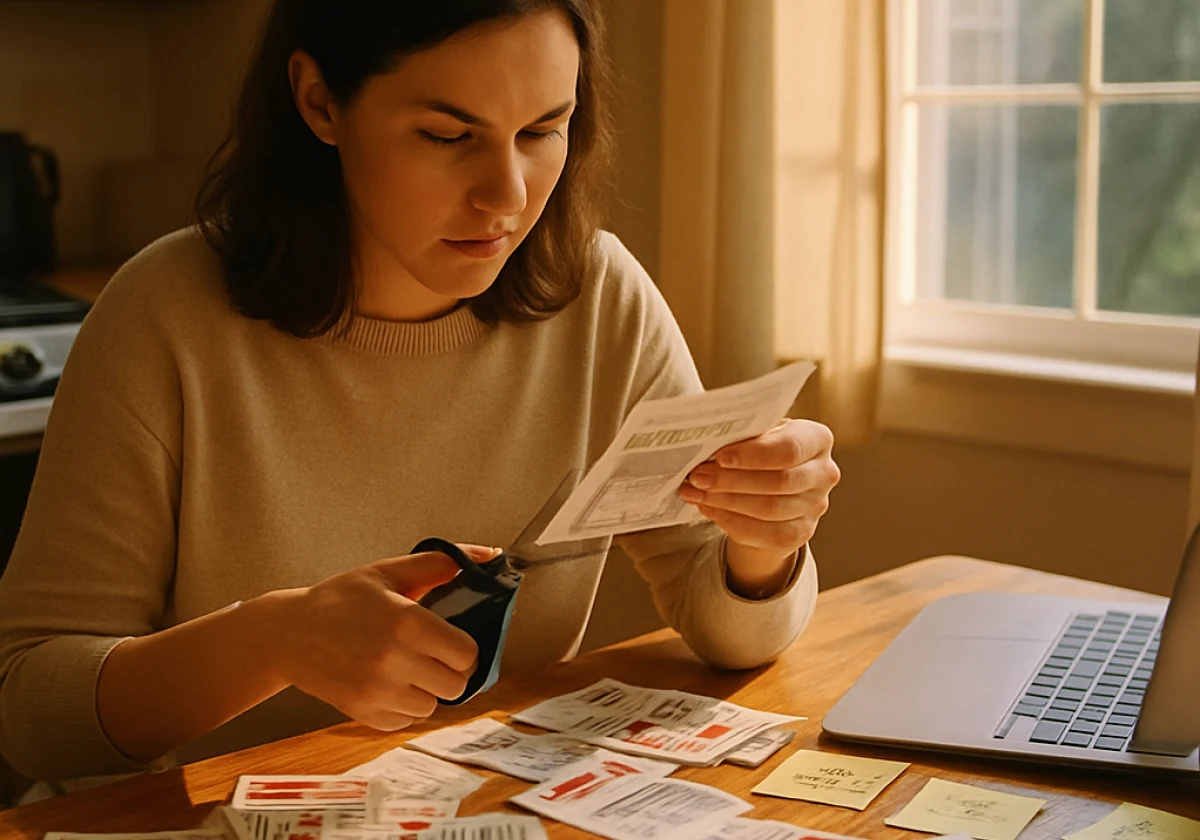
The best part about stacking coupons with rewards is cutting another 10% to 20% off real deals. So begin with where the good offers hide, then layer them, and learn which sites waste your time.
Where to Look Before You Shop
Retailer newsletters often include discounts that you won’t find on public coupon sites. Sign up with a separate email address to collect offers from stores like Best Buy, Walmart, and Home Depot. Some retailers also share app-only codes and printable coupons through their own channels.
Many of those emails open with a welcome offer for new customers. And it usually arrives within a day and requires no code. If your inbox already drowns in promos, a separate address keeps the useful ones easy to find (your main inbox stays calm through every sale season).
Stacking Rewards at Checkout
Coupon stacking lets you combine different offers to save on one purchase. For example, you can apply a coupon code at checkout and earn cashback through a portal like Rakuten. Some stores also let you use a store coupon alongside these offers, while certain credit cards provide extra savings on travel booked through their portals.
Free shipping removes another cost from the total. Amazon Prime members get it on eligible orders, and many other retailers offer it above a spending threshold.
When several offers apply to the same purchase, the combined discount can reach 25% or higher. In our tracking, we’ve seen discounts reach 25% after combining these offers.
Red Flags on Sketchy Coupon Sites
Some coupon sites use pop-up ads, forced signups, and expired codes to attract clicks without offering useful deals. Before sharing your email address, check the site’s privacy policy and make sure its contact link works. These checks help you judge if the site is trustworthy before handing over your details.
If a site asks you to install a browser extension before showing any codes, or if every listed code returns ‘expired’ at checkout, close the tab. Legitimate coupon sites like RetailMeNot and Honey show working codes upfront without requiring an install first.
A reliable coupon site should also list each offer’s expiry date, store terms, and a code you can copy easily. The same checks apply to sites offering local discounts on restaurants and gym memberships, where expired offers can waste your time.
Safety Shopping Tips for Deals That Look Too Good
Once you know how to find genuine discounts, it’s just as important to recognise sales scams.
Spotting Fake Online Stores
Fake online stores often copy trusted retailers’ websites and advertise expensive products at unusually low prices, such as a $300 item for $59 with free delivery. Before placing an order, search for the store’s name alongside the word “reviews” to see what other shoppers say about it.
Payment options reveal a second warning sign. Credit cards offer chargeback protections if a purchase goes wrong, while scammers often push bank transfers and gift cards because those payments are harder to recover.
Avoiding Scam Emails During Sales Events
The website address can also reveal a scam. Fake stores often change a single letter in a familiar web address to make their sites look genuine.
During Black Friday and Cyber Monday, stay alert for fake shipping emails that ask for personal or payment details. These scams can cause serious financial losses, with consumers reporting $12.5 billion lost to fraud in 2024, according to FTC data.
If you receive a shipping notice for an order you never placed, don’t click its links or open its attachments. Instead, check your order status through the retailer’s official app or website. This simple check will help you avoid fraudulent messages and protect the money you’ve saved.
Start Checking Before You Click Buy
Real savings come from checking a deal rather than trusting the discount on the price tag. Compare the product’s price history with prices at other stores, then read the terms to see if any conditions affect the final cost.
Making these checks part of your shopping routine helps you spot genuine discounts and avoid misleading offers. The few minutes you spend will pay for themselves before the month ends.
Ready to stop guessing which deals deserve your money? Visit Unsubscribe Deals for checked discount offers and an inbox that stays clean.