
The loophole is the store’s price match policy, which lets you ask a store to match a competitor’s lower price before you pay. Most registers apply that discount on the spot, so you keep the difference without returning anything or hunting for a coupon code.
Still, many shoppers never ask because the terms sit buried in the store’s fine print. At Unsubscribe Deals, we track these policies weekly so you can claim the savings.
This guide covers which chains offer price matching, what blocks a claim, and how holiday weeks change the answer. Let’s get into it.
Most Stores Will Match a Competitor’s Price If You Ask
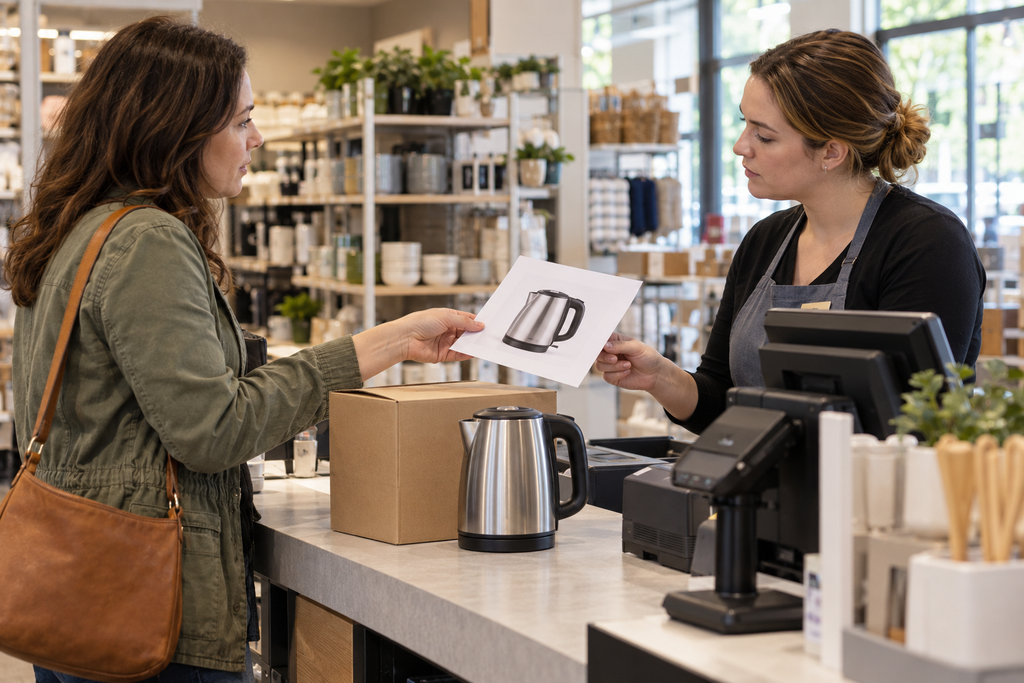
Plenty of shoppers walk right past easy savings because they never ask the cashier to match the price. You’ve probably watched someone ahead of you do it and wondered whether the discount was real. It almost always is. Three details decide whether your request clears the register, so spend a minute on each one.
Identical Items: What the Rule Really Means
Stores define identical products as the same brand, model number, and color as what is in your cart. Something similar from the same product line will not qualify. Staff will check that against the lower advertised price carefully, because even one wrong digit gives them a reason to turn it down.
The competitor’s listing also needs to show the item in stock and ready to ship. If the deal is sold out, cashiers will not accept screenshots of it.
To put it simply, a 55-inch screen will not count for the 50-inch version you are holding, even when both share the same name.
Price Matching Online vs. In-Store Prices
In-store and online prices often differ at the same chain, and many claims fall apart in that gap. Registers compare your item against a competitor’s live listing rather than against the store’s own shelf tag.
However, several chains will match prices pulled from their own website, so showing the current price on your phone settles the question in seconds.
We have stood at a service desk with a screenshot open more times than we can count. One quick check like that knocked about $40 off a vacuum.
When Items Aren’t Eligible for Price Matching
Clearance and open-box items are excluded because they’re already discounted. Marketplace listings never qualify because the retailer doesn’t control items sold by outside vendors.
Another factor is the clock, since most chains only honor a claim at checkout or inside the return window. Keep the original receipt, because that slip is what a service desk needs before it can refund you the difference.
If a cashier says no, ask customer service to review the claim, because managers approve edge cases the register simply cannot.
Compare Price Match Policies: Walmart, Best Buy, Target, and Home Depot

Once you know the three eligibility rules, each retailer’s own exclusions are the next thing to check. The exclusions in each policy decide whether the sign’s promise applies to you.
Compare the four biggest players side by side before your next trip.
| Retailer | What it matches | Key limit |
|---|---|---|
| Walmart | Walmart.com prices at the register | Skips rival ads |
| Best Buy | Local stores and major online retailers | Excludes open-box items |
| Target | Target.com plus select rivals | One identical item per guest |
| Home Depot | Will price match competitors on in-store prices | Requires proof of the ad. |
Verdict: Best Buy still beats the group when you need a store to price-match competitors in real time. Walmart now points you back to its own site. Federal advertising rules govern what a store prints, but they don’t require stores to match rivals. Read the terms the morning of your trip, since chains quietly revise what counts for online purchases.
Do Price Match Deals Survive Black Friday and Cyber Monday?
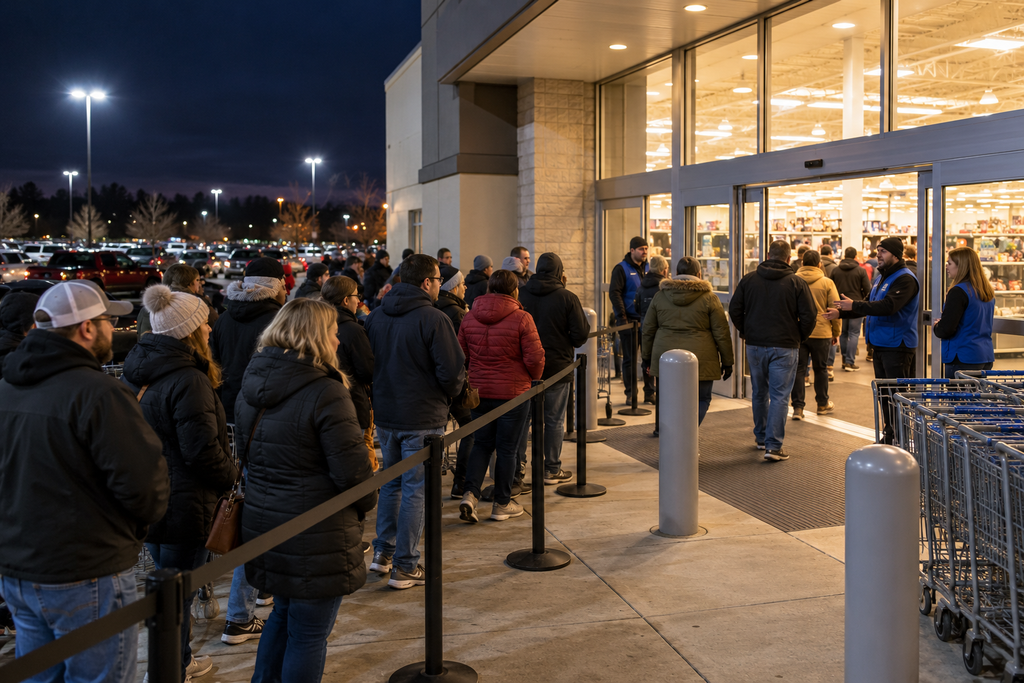
Price match deals usually pause on Black Friday and Cyber Monday because most retailers exclude doorbuster prices. If you’ve ever stood in a 5 a.m. line, you know those ads carry thin stock. A chain that matched every rival’s loss leader would sell at a loss all weekend.
For that reason, Best Buy pauses its Price Match Guarantee during the holiday sale period. Target runs a similar blackout during its own holiday sale. Walmart only matches its own website prices, so its policy barely changes during the holidays.
A lowest-price guarantee sounds absolute, yet nearly every version carves out doorbusters. Price protection fills that gap by refunding the difference if the price drops later within the return period.
We’ve tracked December ad cycles for years, and the same items eligible for price matching in October are excluded for about 10 days around Thanksgiving.
Buy early, keep the receipt, and request an adjustment if the holiday price drops. Set a calendar reminder for the adjustment deadline.
Making Your Price Match Request Before You Pay
A successful price match request starts before you reach the register. Preparation does most of the work, since staff approve claims they can verify in under a minute. Walk up with proof of the lower price already open on your screen.
Run through these three steps while you’re still standing in the aisle:
- Capture the Proof: Screenshot the competitor’s listing so the advertised price, the seller name, and the stock status sit in one frame. Printed ads still work, and some stores prefer the paper copy.
- Name the Competitor First: Qualified competitors vary by chain, so say the retailer out loud and let staff check that competitor price against their approved list. Some chains accept Amazon only when Amazon itself is the seller.
- Ask Before Checkout Ends: Mention the match while the cashier starts your order, because reversing a finished sale pulls in a manager. Registers apply the adjustment cleanly when nothing has processed yet.
Tip: pull up the store’s price-matching policy on your phone first. Lead with a question instead of a demand, which gives staff room to say yes. A one-minute check often saves more than a typical email coupon.
Check the Price-Match Policy Before You Pay
All of it comes back to one habit: read the price-matching policy before you pay. The savings are there, but only if you ask.
Tonight, check two retailers’ policy pages and keep a folder of competitor screenshots on your phone. Two minutes of prep can cut $20 to $40 off a single purchase.
Ready to stop overpaying at the register? Follow Unsubscribe Deals for daily price drops and retailer policy updates.