
Deal aggregation websites have changed how people browse, compare, and buy online. Instead of jumping between dozens of stores, shoppers now see offers from hundreds of retailers in one place.
And it’s about more than convenience. Shoppers spend more time researching before they buy and place more trust in verified deals than store promotions. So when you can compare 50 stores in seconds, retailers know they need better deals and clearer terms to win your business.
This move from scattered browsing to side-by-side comparison is reshaping online shopping. Let’s walk through what’s happening and how you can use these platforms without getting overwhelmed.
What Are Deal Aggregation Websites?
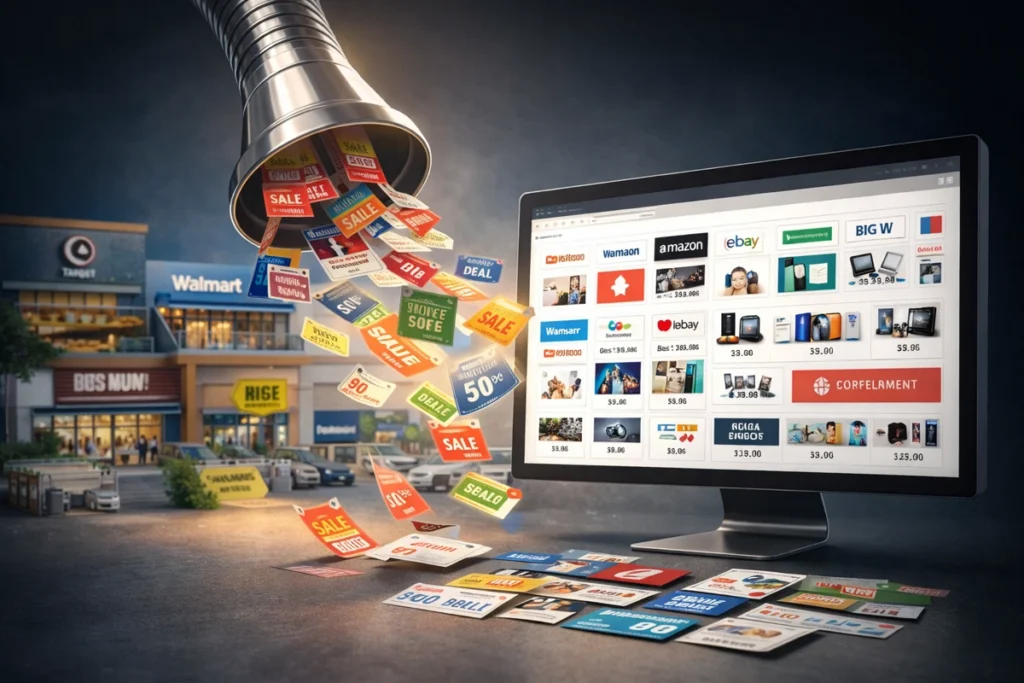
Deal aggregation websites are platforms that gather promotions from hundreds of online retailers and show them in one searchable spot.
Rather than visiting dozens of store sites to compare offers, you get quick access to coupon codes, flash sales, and limited-time discounts all gathered in one place. They also collect deals from multiple stores and display them side by side. This way, you can spot the lowest price on the same product without opening fifteen different tabs.
So how do these platforms pull together thousands of deals from different retailers every day?
How These Platforms Gather and Display Deals
Most of these platforms use automated systems that scan retailer websites and partner networks throughout the day to pull current promotions. The results are sorted by product type, store name, and discount percentage, letting you filter in seconds.
The platforms also keep things current. Fresh updates remove expired offers while adding new deals as they launch, so you avoid clicking on codes that stopped working last week.
The Shift From Tab-Hopping to Single-Screen Shopping
Remember opening a dozen browser tabs just to find the best price on one item? You’d check Amazon, then Walmart, then Target, then Best Buy, hoping one had a better deal than the others. Each store required a separate search, and keeping track of prices turned into a chore, not exactly how you wanted to spend your Saturday afternoon.
Deal aggregation websites pull that scattered research into one interface. Instead of repeating the same search across multiple sites, your shopping routine now starts in one place. You compare options in a single view and make decisions without bouncing between tabs.
This shift didn’t just save time. It changed expectations. Online shoppers now assume they’ll see all their options before buying anything. Retailers noticed, which is why competition on these platforms is often fiercer than on their own websites.
Comparison Shopping Wins: Why You’re Checking Deal Sites First
You probably check deal sites first because you want to know who has the lowest price without visiting a dozen retailer websites. Plus, side-by-side comparisons show you the actual savings difference between competing stores in seconds.
Finding discounts becomes the first step instead of an afterthought once you’ve already picked where to buy. But seeing a discount code listed doesn’t guarantee it works when you reach checkout.
That’s where trust features separate useful platforms from time-wasters.
Trust Through Reviews and Verified Coupon Codes
Most deal sites now include user reviews that confirm whether coupon codes actually work before you waste time at checkout. Other shoppers tell you if they successfully applied the code or ran into errors, which saves you the hassle of testing it yourself.
Success rates and vote counts take this further. A code with 200 upvotes and a 95% success rate probably works. But the one with five downvotes and a 10% success rate? You can just skip that.
This transparency removes the frustration of testing expired or invalid discount codes yourself, since the community already flagged what’s broken.
The New Way You Research Before Hitting Checkout
Shoppers now browse multiple offers longer before buying, according to research from the Journal of Theoretical and Applied Electronic Commerce Research. The ease of comparing prices means you check for better deals even on items you already planned to buy. This extended research habit replaced the old approach of buying right away from the first store you visited.
This change in shopper psychology makes sense. Just think about it. Why rush through checkout when you can confirm you’re getting the best price in under a minute?
Deal aggregation platforms made this possible by removing the friction from price comparison. The extra few minutes you spend comparing options can lead to better deals. Sometimes the difference is small, but other times you’ll find the same product for significantly less at a store you wouldn’t have checked otherwise.
The Tools Changing How You Save Money

Most deal aggregation websites give you built-in tools that do the price hunting automatically. Rather than manually checking if prices dropped, these features track changes and notify you when it’s time to buy.
Here are the main ones you’ll actually use:
- Price Alert Notifications: If you’re waiting for an item’s price to come down, you don’t have to visit the site repeatedly. Just set your target budget, and the platform emails you when it hits that price.
- Automated Deal Aggregation: The system scans thousands of retailer sites daily and pulls active promotions into one feed. This removes the manual work of visiting individual stores to compare sales. Think of it like having someone check every store in the mall for you while you sit on the couch.
- Category Filters and Sorting: Looking for a laptop under $500 or shoes within a specific price range? Most platforms let you filter by price and category in seconds, so you can skip unrelated deals for kitchen appliances or clothing.
These tools handle the repetitive research and free up your time to focus on buying at the right price, so you don’t have to search endlessly.
Retailers Respond: Better Deals and More Transparency
When you can compare 50 stores in seconds, retailers know they can’t hide weak offers behind confusing terms anymore. That’s why many e-commerce brands now publish clearer discount details. You’ve probably noticed this yourself. It’s easier now to spot a genuine 30% off versus a marked-up price with a fake discount.
Dynamic pricing has changed as well. Retailers adjust prices more frequently based on what competitors offer on aggregator platforms each day. For example, a laptop listed at $800 might drop to $750 by afternoon if another store undercuts it. Some stores even run automated systems to stay competitive, checking competitor pricing hourly and adjusting accordingly.
Certain brands go further by creating exclusive deals specifically for aggregator platforms to capture traffic they wouldn’t get otherwise. These platform-specific codes often beat the discounts on their own websites because they need to stand out in a crowded feed.
Find Discounts Without the Endless Scrolling
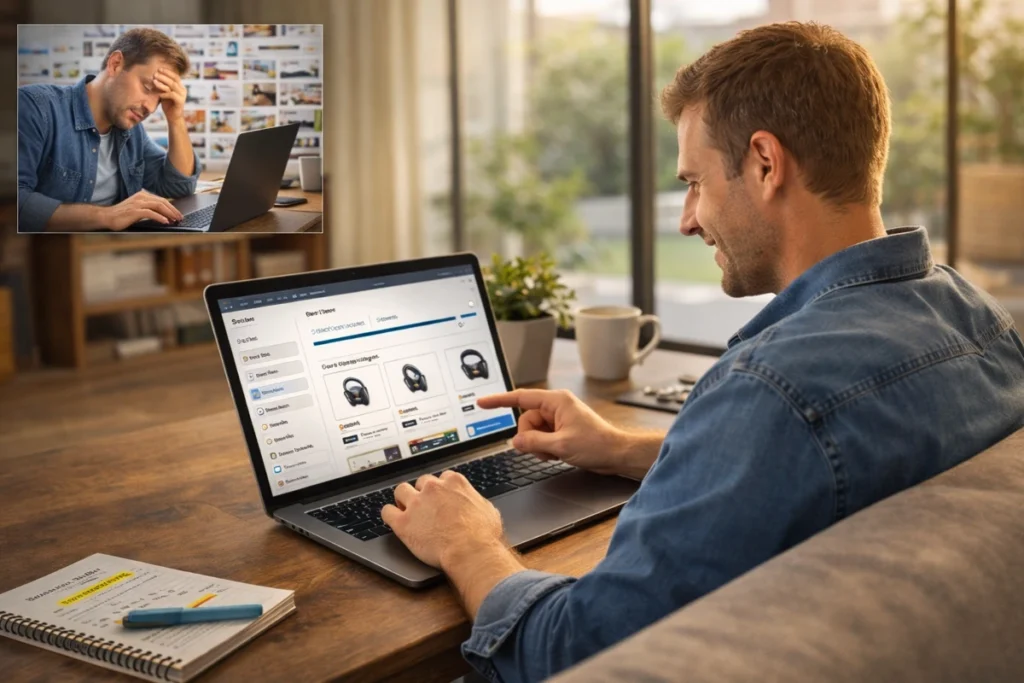
Have you ever spent 20 minutes scrolling through promotions that don’t match what you need? Search filters solve this by letting you narrow thousands of offers by category, price range, or store right away. Say you’re looking for electronics under $200. Just filter by price and category, and everything else disappears.
Most platforms also use curated collections that group related offers together. Travel promotions appear in one section, flash sales in another, and seasonal discounts get their own category. This organization beats browsing a mixed feed where tech discounts sit next to beauty products with no rhyme or reason.
Sorting options give you even more control. You can arrange results by discount percentage or popularity, so you prioritize the deepest savings or check what other shoppers are buying first.
Start Shopping With More Money in Your Pocket
Deal aggregation platforms changed how you shop online by making price comparison faster and more transparent. You now research longer, trust verified deals more, and expect retailers to compete for your attention with better offers.
These platforms give you the tools to save money without the manual work. Price alerts, automated deal collection, and smart filters turn hours of browsing into minutes of focused shopping.
Want to see how much you can save? Check out Unsubscribe Deals for curated offers and verified codes that actually work. We track the best deals across hundreds of retailers, so you don’t have to.